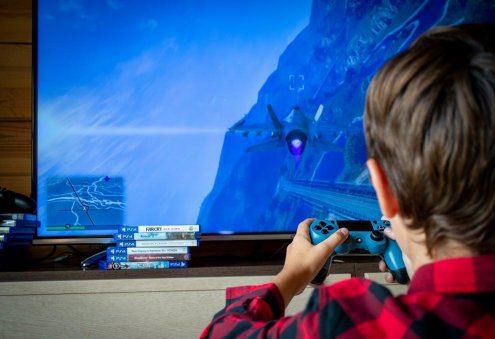
Each generation is shaped by the conditions of its time, which is why parents and teenagers often have different views on education, professional development and life goals. Such differences are a natural part of social development and reflect the unique life experiences of people of different ages.
Parents and children live within the same family environment, but their views of the future are shaped by different circumstances. Older generations rely on their accumulated life experience, while young people grow up amid rapid technological development. This is why their perspectives on the paths to achieving success may differ.
Modern research in neuroscience shows that adolescence is an important stage in personality development. During this period, areas of the brain responsible for long-term planning, decision-making and evaluating different courses of action continue to develop. At the same time, young people show strong interest in gaining new knowledge, experiences and opportunities for self-fulfillment. Scientists consider these characteristics a natural part of the process of growing up.
Renowned psychologist Erik Erikson noted that adolescence is associated with identity formation and the search for life goals. Young people seek to better understand their interests, abilities and place in society. Family support plays an important role in successfully navigating this stage and helps build confidence in their own abilities.
For many parents, quality education, professional training, responsibility, hard work and family well-being remain important components of success. These values are based on life experience and the desire to create a strong foundation for the future.
Modern young people also place high value on education and professional development. At the same time, they associate success with self-fulfillment, discovering their abilities, mastering modern technologies and striving for continuous improvement. Today, new opportunities for learning, creativity and professional growth are emerging, expanding ideas about the ways to achieve personal goals.
The culture of communication between generations is also particularly important. Psychologist Marshall Rosenberg, the creator of the concept of nonviolent communication, emphasized the importance of respectful dialogue and the ability to understand each other’s needs. This approach helps strengthen trust, mutual understanding and cooperation within families.
Despite differences in life experience, parents and teenagers share common goals — well-being, development and a successful future. Older generations pass on knowledge, values and life experience, while young people bring new ideas, initiative and a willingness to embrace modern opportunities.
Success in today’s world includes a commitment to knowledge, professional skills, responsibility, meaningful activities, respect for others and continuous development. The combination of older generations’ experience and young people’s energy creates a strong foundation for the balanced development of individuals, families and society.
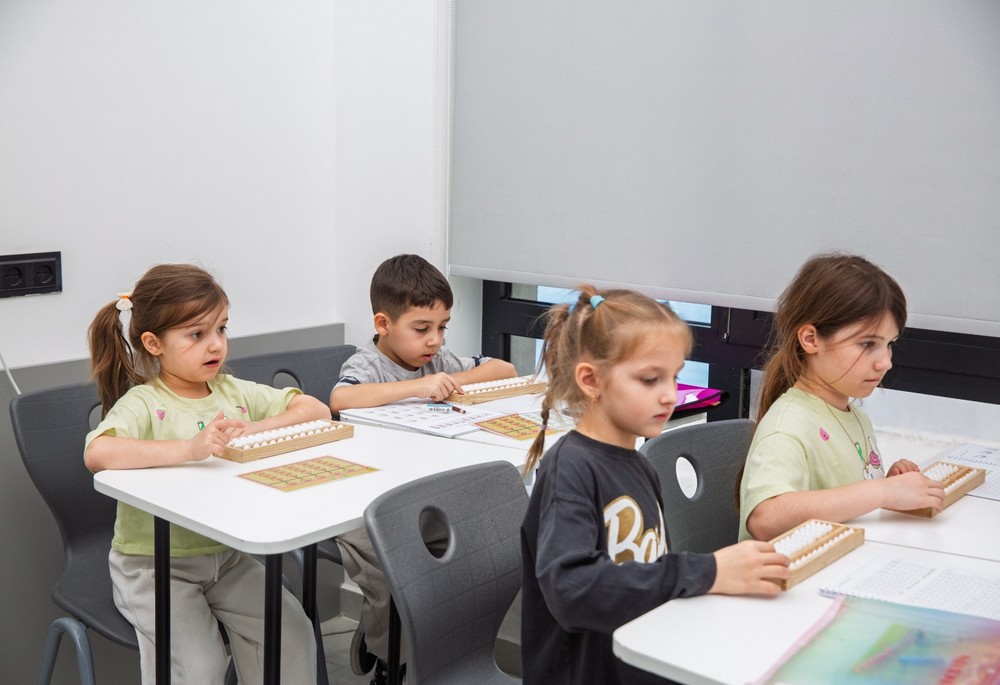
In the modern world, it is especially important to continue developing knowledge and skills that help people adapt to new conditions and move forward with confidence. The Sanly Sowat educational center can contribute to this by offering modern educational programs aimed at developing digital literacy and practical skills that will be in demand in the future.
This material was prepared using the works of Erik Erikson (the theory of psychosocial development), Marshall Rosenberg (the concept of nonviolent communication), as well as modern research in the field of adolescent neuroscience.
The article was prepared in collaboration with the Sanly Sowat Educational Center, drawing on Erik Erikson’s theory of psychosocial development, Marshall Rosenberg’s concept of nonviolent communication and current research on the neurobiology of adolescence.
Sanly Sowat Educational Center
Contact:
+993 63 639192
+993 62 525638
Addresses:
57A Görogly Street, Ashgabat
Älem Building, Garashsyzlyk Avenue, Ashgabat