A Turkmen delegation led by Yalkap Hojagulyyev, Chief imam and head of the Arkadagyň Ruhy Metjidi religious organization, visited Pakistan on Oct. 26-27 and held meetings with representatives of the country’s religious and educational institutions. The talks focused on training religious specialists and expanding cooperation in religious education, the Embassy of Turkmenistan in Pakistan reported.
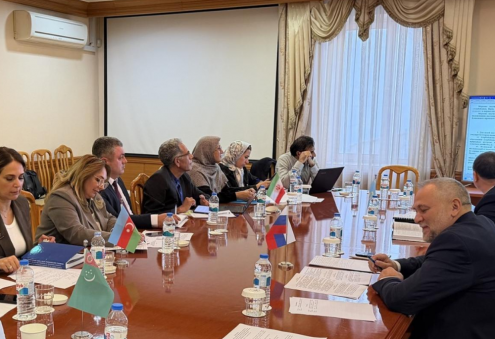
On the first day of the visit, Hojagulyyev met with Ibrar Ahmad Mirza, federal secretary of Pakistan’s Ministry of Religious Affairs and Interfaith Harmony; Muhammad Raghib Hussain Naeemi, chairman of Pakistan’s Council of Islamic Ideology; and Shafiq ur Rehman, a member of Pakistan’s Higher Education Commission.
During the meetings, the Turkmen side provided information about efforts to preserve the country’s religious and national traditions and the conditions created for citizens to observe their religious obligations and customs. The discussions also covered the Arkadagyň Ruhy Metjidi mosque, which is under construction in the city of Arkadag and is designed to accommodate 30,000 worshippers, as well as a higher religious education institution being built next to the mosque.
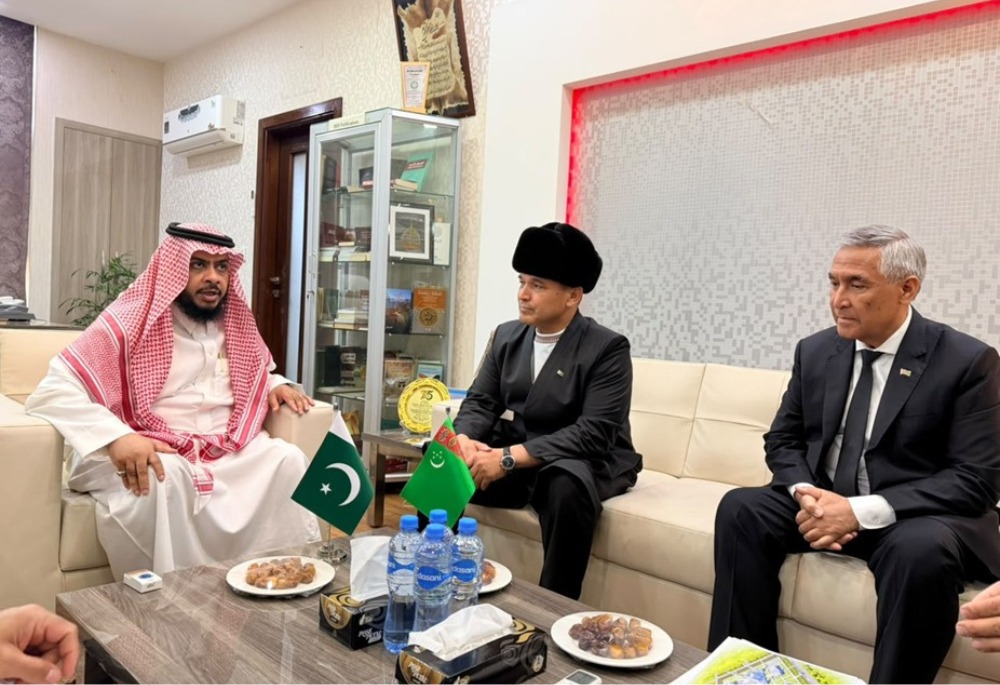
On the second day, the Turkmen delegation met with Ahmed Saad Alahmed, president of the International Islamic University Islamabad; Muhammad Ilyas, director general of the university’s Da’wah Academy and chief imam and preacher of Faisal Mosque; and Ghulam Qamar, director general of the Directorate General of Religious Education under Pakistan’s Ministry of Federal Education and Professional Training.
The talks focused on establishing and expanding cooperation between the two countries in religious education, improving academic curricula, enhancing the professional qualifications of faculty members and training highly qualified religious specialists. The sides also discussed opportunities to exchange experience.
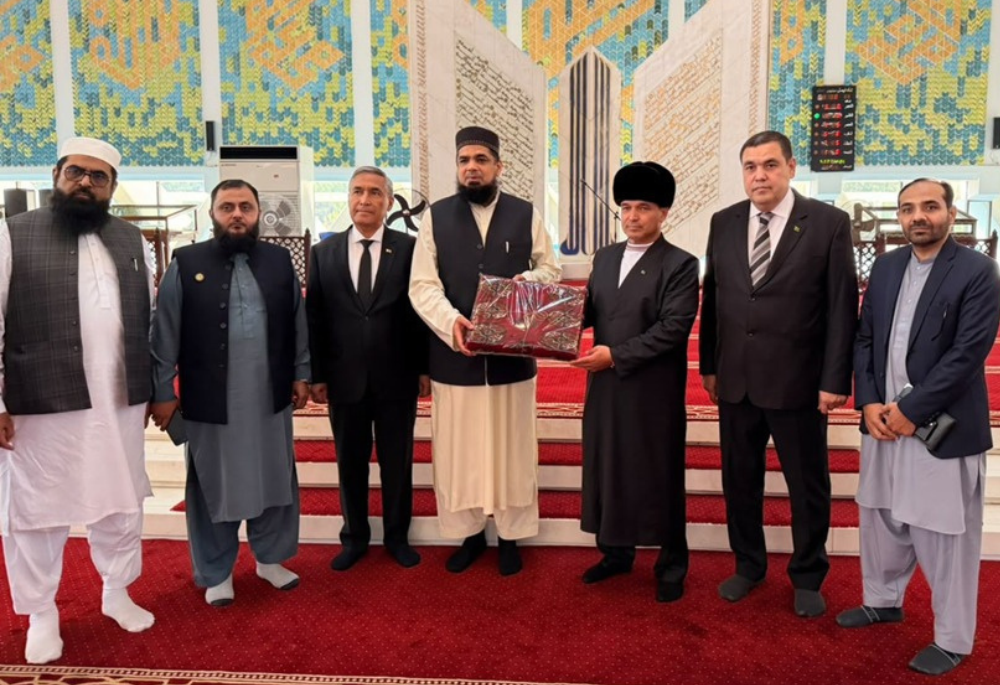
As part of the visit, the Turkmen delegation visited the central administration of the International Islamic University Islamabad, Faisal Mosque and Muhammadiyah Madrasa. The delegation learned about the institutions’ history and religious and social significance, the organization of educational activities at the madrasa and the teaching of Islamic law.
The sides reaffirmed their readiness to expand mutually beneficial cooperation in religious education.