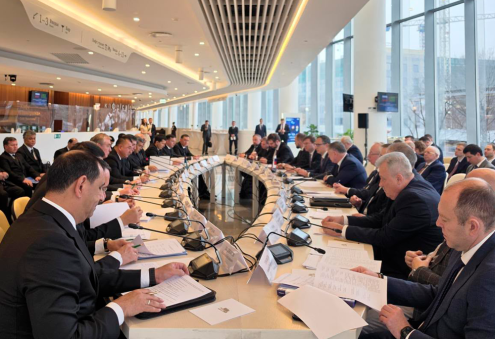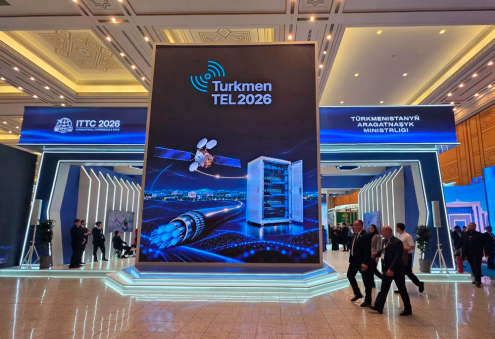
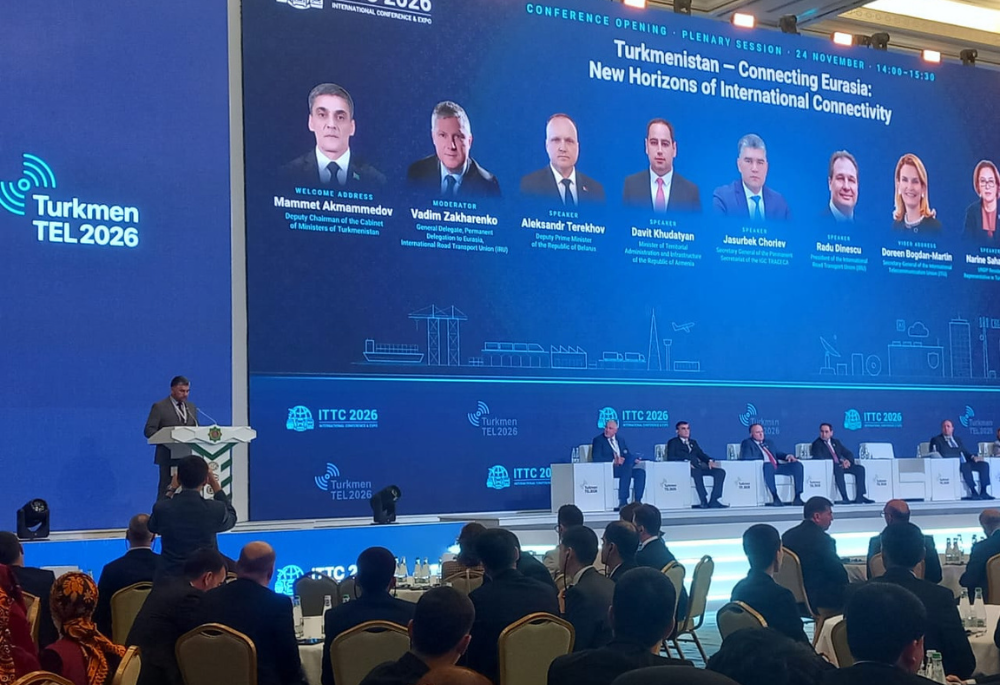
Turkmenistan’s portfolio of transport projects, covering railway modernization, the renewal of rolling stock and the fleet, as well as the development of a dry port in Ashgabat, is valued at $3.8 billion, Jasurbek Choriev, secretary general of the Permanent Secretariat of the Intergovernmental Commission TRACECA, described the portfolio as a ready agenda for international financial institutions during Tuesday’s plenary session of the ITTC 2026 international conference in Ashgabat.
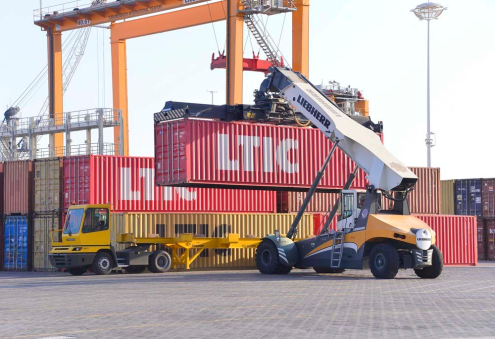
Among the 16 priority projects across the entire corridor, Choriev cited the modernization of the International Seaport of Turkmenbashi, valued at $285 million, and the restoration of the Tashkent-Turkmenbashi railway line, estimated at $625 million.
Choriev highlighted the need to deepen and widen the approach channel to the Port of Turkmenbashi. According to estimates, this could nearly double the port’s actual handling capacity. Its designed annual capacity is 17 million tons of cargo and 400,000 containers. According to World Bank data cited by the secretary general, the port’s capacity utilization rate increased from 19% in 2023 to 43% in 2025.
Turkmenistan exports 2.2 million tons of cargo through the Turkmenbashi port route, accounting for more than one-third of the country’s non-gas exports. A regular container service also operates between Turkmenbashi and Baku. Citing a World Bank assessment, Choriev said the corridor’s main constraint today is not a lack of infrastructure but the efficiency of its operations. He also called for joint efforts to address bottlenecks on access routes to border crossing points.
According to estimates cited by Choriev, developing the Trans-Caspian Transport Corridor could increase Turkmenistan’s gross domestic product by 1.25%, or about $791 million, and raise employment by 1.5%. Halving logistics costs could increase Turkmenistan’s exports of agricultural and food products by 86%, the largest projected increase among the countries along the corridor.