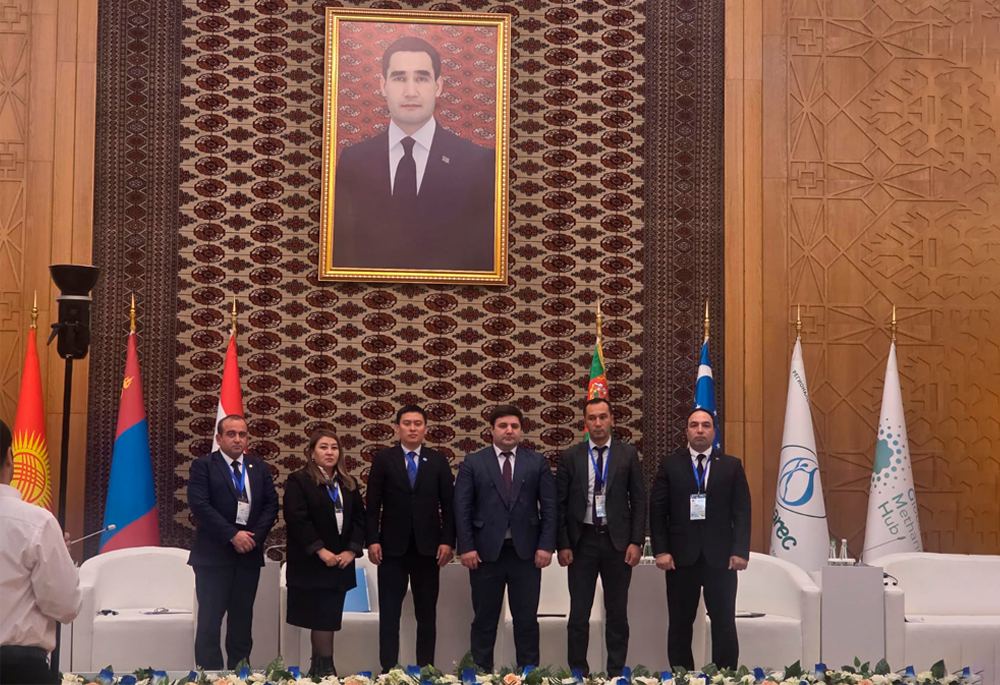
A regional conference on reducing methane emissions was held Oct. 29–30 in Ashgabat, bringing together representatives of government agencies from Central Asian countries, international organizations and experts. Key topics included modern methane monitoring methods, international experience in adopting environmental technologies, mobilizing financing and strengthening regional cooperation.
The two-day forum, titled “From Methane Data to Action: Strengthening Methane Emissions Management, Mobilizing Capital and Advancing Regional Cooperation in Central Asia,” was organized by the Regional Environmental Centre for Central Asia (CAREC), with support from Turkmenistan’s Ministry of Environmental Protection and Ministry of Foreign Affairs, as well as the Global Methane Hub.
Participants included representatives of relevant government agencies from Turkmenistan, Kyrgyzstan, Mongolia, Tajikistan and Uzbekistan, along with experts from the United Nations Environment Programme, the International Energy Agency, the Environmental Defense Fund, the Clean Air Task Force and other international organizations.
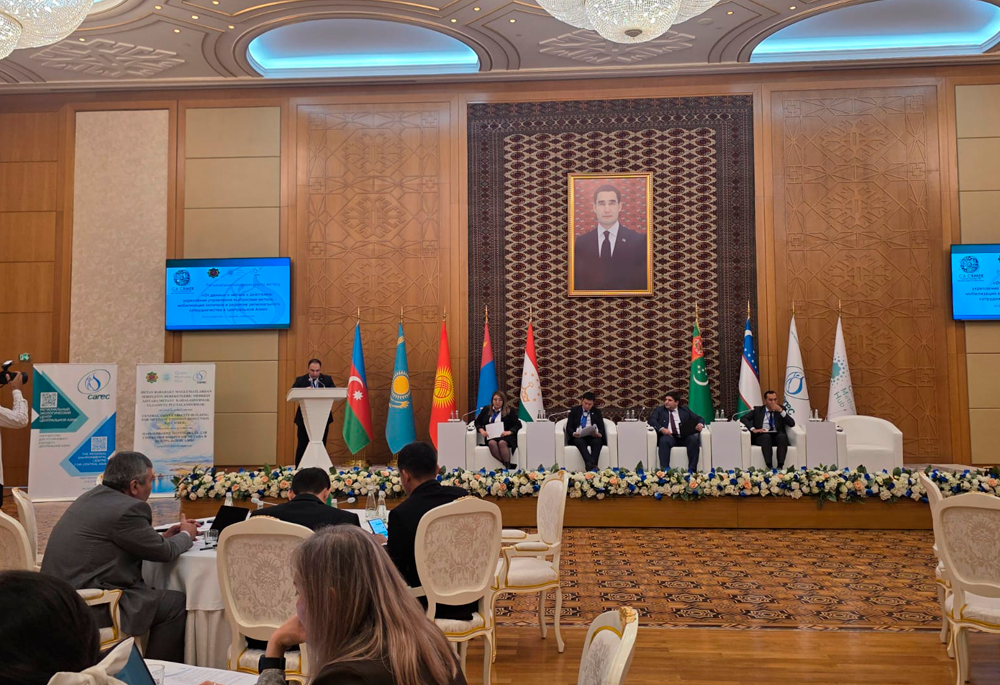
During thematic sessions, experts presented modern approaches to detecting methane emissions using satellite data and ground-based measurements. Particular attention was given to LDAR programs, which focus on detecting and repairing leaks, and MRV systems for monitoring, reporting and verification of emissions. Participants also discussed new international regulatory requirements for oil and gas producers and ways to use emissions data in preparing investment projects.
Discussions on regional cooperation and practical approaches to reducing methane emissions continued on the second day of the conference. At the conclusion of the forum, participants reviewed the outcomes and identified key areas for further cooperation, including improving monitoring systems, sharing technologies and developing joint climate initiatives across Central Asia.