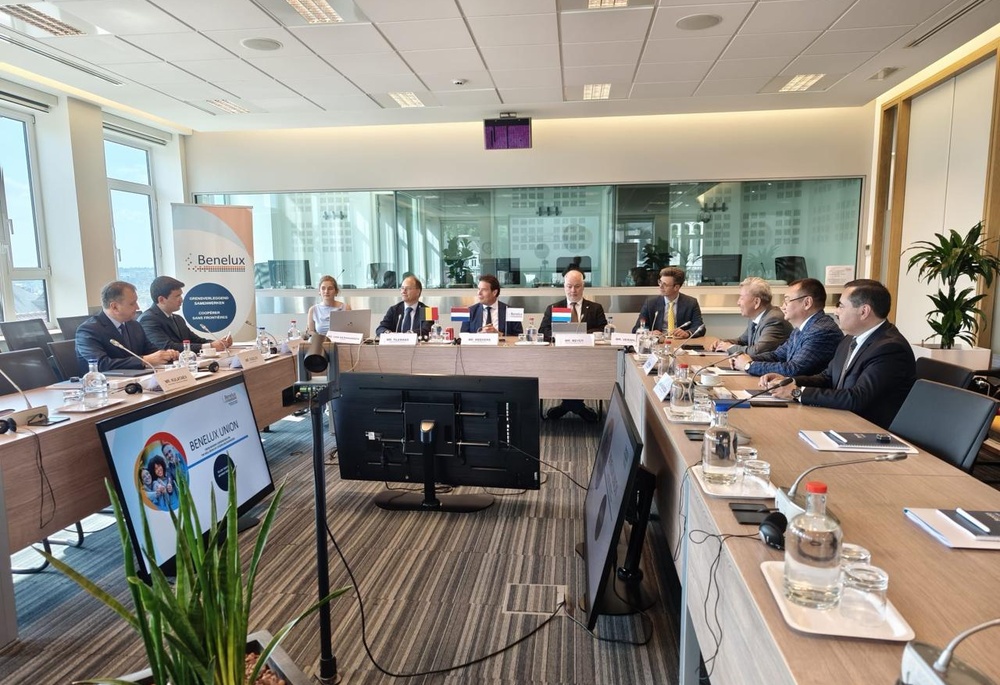
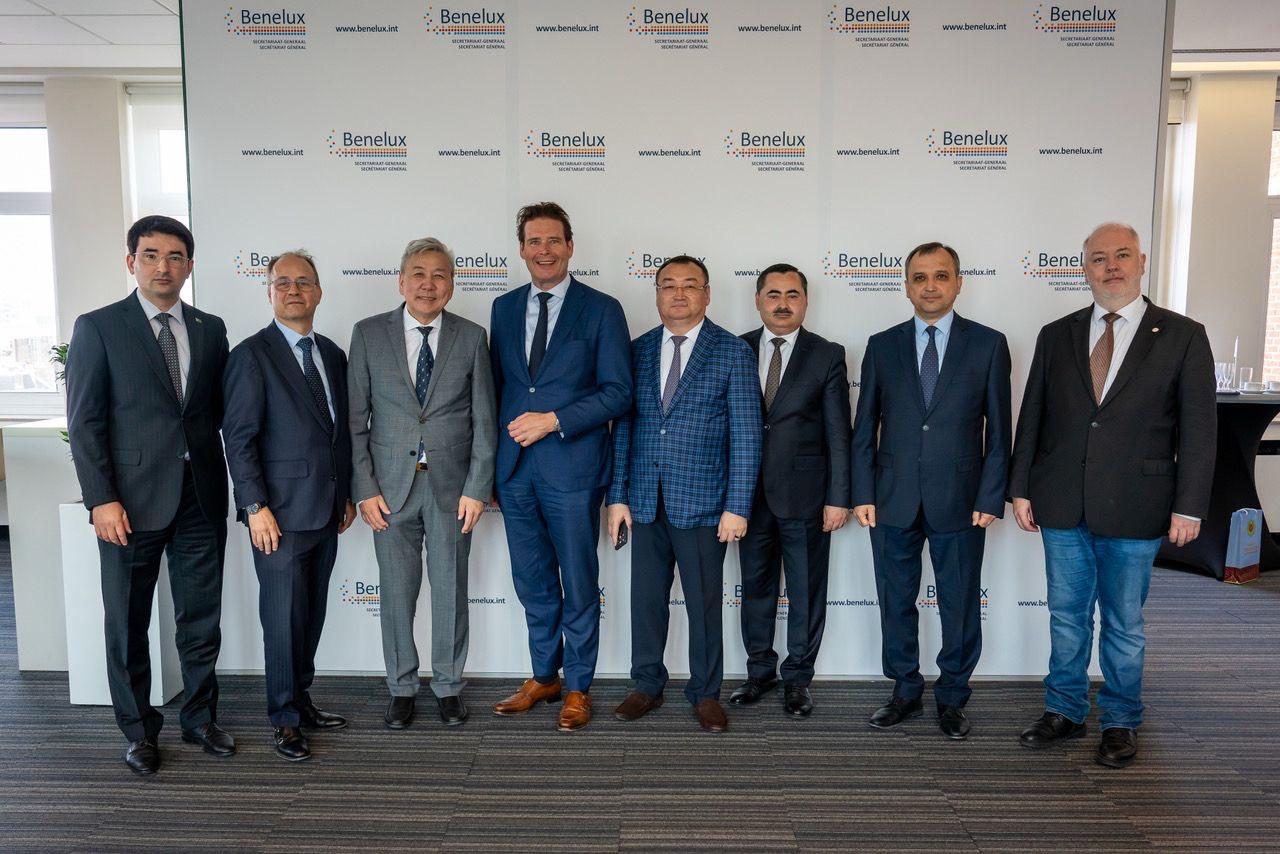
Turkmenistan’s Ambassador to Belgium, Sapar Palvanov, discussed the possibility of lifting visa requirements for holders of diplomatic and service passports during meetings with the leadership of the Benelux Union. The discussion took place during a joint meeting of ambassadors from Central Asian countries and Mongolia with Benelux Secretary-General Frans Weekers and his deputies, the Turkmen Embassy in Belgium reported.
Ambassador Palvanov noted that simplifying official travel procedures would contribute to expanded dialogue and practical cooperation. He emphasized that Turkmenistan, along with other Central Asian states, is becoming an active platform for international events involving European partners. In the first half of 2025 alone, Turkmenistan hosted 1,945 meetings with foreign representatives, received 353 international delegations, and sent 763 delegations abroad.
Palvanov added that facilitating the mobility of officials would be a significant step toward strengthening partnerships. As a positive example, he cited Turkmenistan’s existing agreement with Switzerland that allows simplified travel for holders of diplomatic and service passports.
Benelux officials expressed strong interest in enhancing dialogue with Central Asia and offered to share their experience in effective intergovernmental cooperation. Regional ambassadors, in turn, affirmed their commitment to broader collaboration and showed interest in the Benelux model as a potential reference for closer coordination among Central Asian nations.
The Benelux Union is a political and economic alliance of three Western European countries — Belgium, the Netherlands, and Luxembourg — established in 1944 to promote cooperation in areas such as trade, transport, and customs.