
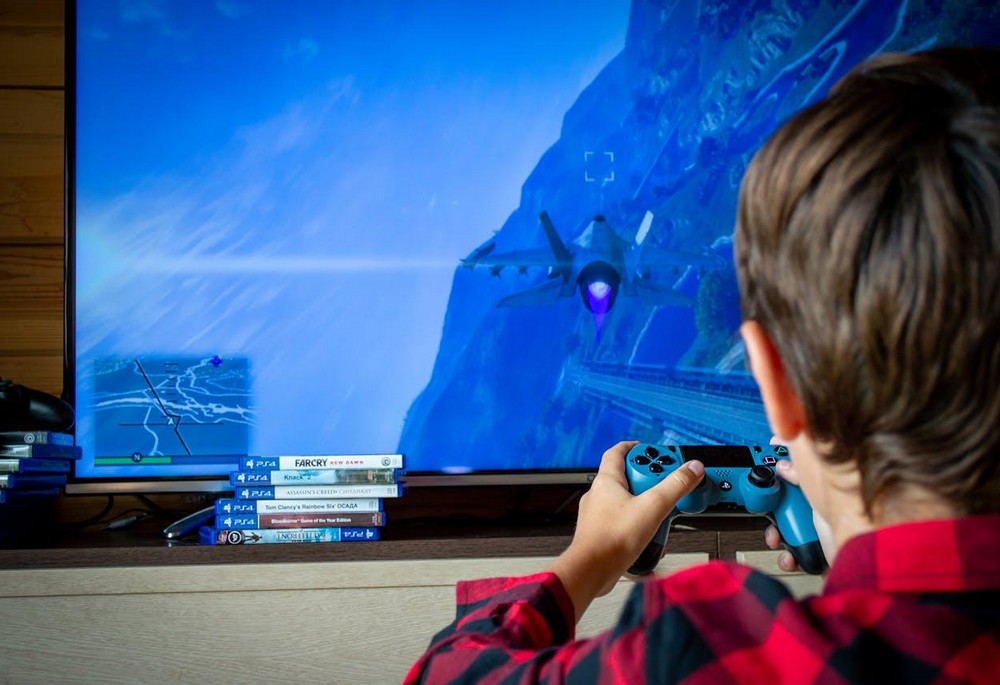
Humanity has entered an era in which technology has become an inseparable part of everyday life. Smartphones, tablets, social networks, video games, and an endless stream of digital information surround today’s children from the earliest years. The screen has become a window to the world — a source of knowledge, entertainment, and communication. However, alongside convenience and new opportunities, a new danger has quietly emerged: a gradual distancing from movement, real human interaction, and the natural foundations of human development.
At first glance, these changes may seem insignificant. A child sits calmly with a phone, playing a game or watching videos. They are at home, next to their parents, and nothing visibly alarming is happening. But it is precisely in these moments that processes begin to form whose consequences humanity may only fully understand years later.
The problem with modern technology is not the devices themselves. The real danger appears when the virtual world begins to replace real life.
The Human Body Is Made for Movement
Nature designed the human body not for stillness, but for activity. Since ancient times, movement has been the foundation of human existence. Through movement, strength, endurance, thinking, reaction, and the ability to adapt to the environment have developed.
Physical activity is especially important in childhood, when not only the body is formed, but also the brain, nervous system, character, and emotional stability.
When a child runs, plays, exercises, walks, or simply moves actively, complex processes occur in the body:
● blood circulation improves;
● the brain receives more oxygen;
● neural connections are strengthened;
● memory and attention improve;
● emotional state stabilizes;
● immunity improves;
● endurance and inner energy are developed.
Movement is not just muscle activity. It is the foundation of full human development. That is why physical activity is directly linked not only to physical health but also to intellectual development.
The Silent Threat of the Digital World
Modern technology is gradually changing children’s lifestyles. Today, many hours are spent sitting—on phones, computers, or gaming consoles. Children move less, while screens become the main source of emotions, impressions, and engagement.
The human body is not designed for such inactivity. When movement disappears from daily life, the body slowly weakens. First of all, the spine suffers. Prolonged sitting leads to poor posture, weakened back muscles, and chronic neck tension. Even at an early age, problems appear that were once typical mainly for adults.
But changes do not occur only in the body. A child’s brain also begins to function differently. Lack of physical activity reduces blood flow and oxygen supply. Gradually, the ability to concentrate weakens, memory declines, and mental fatigue comes more quickly.
The paradox of the digital age is that an enormous amount of information does not always make a person more developed. Sometimes, constant content consumption reduces depth of thinking and the ability to sustain attention.
Social Media and the Loss of Inner Peace
Social media has become a new environment in which children and teenagers grow up. It is where ideas about beauty, success, popularity, and personal value are formed. However, the virtual world rarely reflects reality.
A child is constantly exposed to “perfect” images, curated lives, and displays of success. Gradually, the habit of comparing oneself to others develops. This creates inner anxiety:
● the need for constant approval;
● dependence on likes and attention;
● fear of being worse than others;
● a sense of inadequacy.
This is especially dangerous because a child’s psyche is not yet stable enough to withstand constant informational pressure. Over time, this can lead to:
● emotional exhaustion;
● anxiety;
● low self-esteem;
● irritability;
● inner emptiness and loneliness.
Video Games and the Trap of Instant Gratification
The gaming industry has long become a powerful system for capturing human attention. Every victory, level, reward, or achievement triggers the release of dopamine—the chemical responsible for feelings of pleasure.
Gradually, the brain becomes accustomed to constant quick rewards. As a result, real life begins to feel too slow and boring.
It becomes harder for a child to:
● study;
● concentrate;
● read for long periods;
● achieve real-life goals;
● find joy in simple things.
Virtual success begins to emotionally replace real achievements.
Inactivity and Hidden Processes of Physical Decline
The most dangerous consequence of a digital lifestyle is a gradual reduction in physical activity. When a person moves less, a chain of negative processes begins in the body:
● metabolism slows down;
● cardiovascular function weakens;
● muscles lose strength;
● hormonal balance is disrupted;
● endurance decreases;
● sleep quality worsens;
● the risk of obesity and diabetes increases.
The body seems to enter a state of slow energy decline. But the body is not the only thing affected. Inactivity also impacts emotional well-being. A lack of movement reduces inner energy, worsens mood, and makes the psyche more vulnerable to stress.
The Connection Between Body, Mind, and Inner State
A human being is a unified system in which the body, mind, and emotions are closely interconnected. A strong body helps maintain clear thinking. Physical activity strengthens not only muscles but also character.
Sport teaches:
● discipline;
● patience;
● overcoming difficulties;
● self-improvement;
● resilience against weakness.
Through movement, a person experiences life, energy, and inner stability. It is no coincidence that physical education has always been considered a key part of personal development.
How to Protect a Child’s Health in the Digital Era
Technology cannot and does not need to be stopped. The issue is not the existence of gadgets, but the loss of balance between the digital and real worlds.
The main task of adults is to teach children to use technology consciously, without allowing it to replace real life.
This includes:
● limiting uncontrolled screen time;
● encouraging sports and movement;
● spending more time in nature;
● maintaining real family communication;
● establishing healthy sleep routines;
● developing interest in reading, creativity, and real-world hobbies;
● teaching attention control.
A child needs an environment that includes:
● movement;
● real emotions;
● friendship;
● live communication;
● sports;
● connection with the real world.
The Future Depends on More Than Technology
The modern world is rapidly advancing. Artificial intelligence, digital platforms, and new technologies will continue to evolve. But humanity faces one of its greatest challenges: preserving the human being itself.
We can create the smartest machines, but no technology can replace:
● health;
● character strength;
● emotional stability;
● deep thinking;
● real human communication;
● inner harmony.
True child development is not only the ability to use technology. It is the harmonious development of body, mind, and personality. Only such a person will be able to control technology rather than become dependent on it.
In the modern world, educational spaces that support not only intellectual growth but also personal development through live communication, creativity, movement, and real emotions are becoming especially important.
One such place is Sanly sowat — an educational center where attention is given not only to intellectual development but also to shaping a harmonious, confident, and active personality. Here, children learn to interact in real life, develop creative thinking, participate in group projects, and discover their abilities. They experience emotions that cannot be replaced by a phone screen.
In an atmosphere of support, communication, and creativity, a child feels part of a living world—learning to think, create, communicate, and grow not only as a student but as a human being. Such environments help maintain the essential balance between technology and real life that children of the digital age so urgently need.
Sanly Sowat Educational Center
Contact:
Addresses:
57A Görogly Street, Ashgabat
Älem Building, Garashsyzlyk Avenue, Ashgabat








33451-90x604.png)