
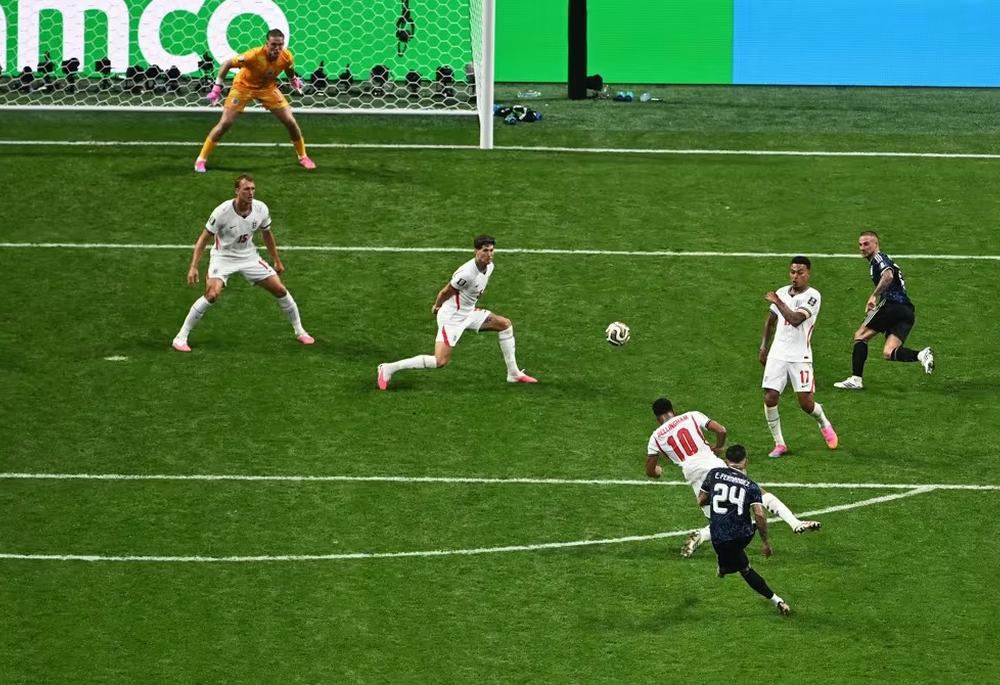
The FIFA World Cup is widely regarded as the biggest and most prestigious tournament in world football. Since the inaugural competition was held in Uruguay in 1930, the tournament has spent nearly a century not only determining the world's strongest national teams but also producing some of football's most memorable moments and greatest players. Held every four years, the World Cup once again brings together millions of fans from around the globe, demonstrating the unifying power of sport.
The World Cup has served as the stage where many of football's greatest legends either emerged or achieved their finest success. Pelé, Diego Maradona, Zinedine Zidane, Ronaldo Nazário, Ronaldinho, Andrés Iniesta, Lionel Messi and Cristiano Ronaldo not only contributed to the achievements of their national teams but also left a lasting mark on the development of world football. Their performances continue to inspire generations of players and fans alike.
In recent years, however, world football has entered a new phase. As many of its established stars gradually approach the end of their international careers, a new generation of players has begun to take center stage. For that reason, the 2026 FIFA World Cup represents not only a competition to crown a new champion but also an important test for football's emerging generation.
This edition of the tournament is distinguished by another historic milestone. For the first time, 48 national teams are taking part in the World Cup. The expanded format has created opportunities for more teams from different regions of the world to compete on football's biggest stage. While the increased number of matches has further intensified competition, it has also sparked debate among experts. Some believe the new format will contribute to the global development of football, while others argue that the heavier schedule could affect players' physical condition.
From the group stage onward, the tournament has been marked by unexpected results and fiercely contested matches. As in previous World Cups, not only the traditional favorites but also teams not usually regarded among the global elite have demonstrated their potential. The performances once again highlighted the narrowing gap between the world's leading football nations and emerging sides.
Competition intensified even further in the knockout stage, with the semifinals drawing particular attention from football fans around the world. Spain's meeting with France developed into a clash between two distinct approaches to modern European football. Spain relied on possession and control of the game's tempo, while France looked to quick counterattacks, physical strength and the individual quality of its players. Spain's superior teamwork and tactical discipline ultimately secured a 2-0 victory, sending the team into the final.
The match once again demonstrated that success in modern football depends not only on individual stars but also on collective organization. Although France created dangerous attacking opportunities, Spain's disciplined defense and control of the game limited its opponent's chances. By reaching the final, Spain not only advanced in the tournament but also firmly established itself as a leading contender for the title.
The other semifinal featured England and Argentina, one of international football's most celebrated rivalries. Played at a high tempo and with intense competition throughout, the match showcased England's youthful pace and energy against Argentina's experience, game management and ability to capitalize on decisive moments. Argentina secured a 2-1 victory to reach the World Cup final for the second consecutive tournament.
The progression of Spain and Argentina to the final came as no surprise. Throughout the tournament, both teams distinguished themselves not only through the quality of their individual players but also through collective cohesion, tactical flexibility and consistent performances in decisive matches. Their success also reflects broader trends in the evolution of modern football.
One of the defining features of the 2026 World Cup has been the confident performances of young players. Lamine Yamal, Jude Bellingham and Jamal Musiala have established themselves as the new faces of world football. They have not only delivered performances beyond their years but have also assumed leading roles in their national teams' most important matches. Their displays suggest that football's next generation is ready to take center stage.
At the same time, experienced players continue to play an important role. Lionel Messi, Cristiano Ronaldo and Neymar remain influential figures in international football. Their experience, understanding of the game and leadership continue to serve as an example for younger players. As a result, the 2026 FIFA World Cup stands out as a unique tournament in which football's established stars and its next generation have shared the same stage.
When people think of the World Cup, global stars such as Lionel Messi, Kylian Mbappé and Lamine Yamal usually come to mind. Yet every tournament also produces previously overlooked players who capture the attention of fans with outstanding performances. The 2026 World Cup continued that tradition.
Cape Verde's 40-year-old goalkeeper Vozinha made a major contribution to his team's campaign with a series of impressive saves against strong opponents, helping the side escape difficult situations on several occasions and reach the Round of 16 for the first time in the country's history. His leadership and experience made him one of the tournament's most admired and widely discussed goalkeepers.
Another standout performer was Cape Verde defender Roberto Pico Lopes, who combined his professional football career with his work at the State Bank of Ireland. At the World Cup, he became a cornerstone of his team's defense, with his composure, determination and experience playing a key role in Cape Verde's historic achievement. Following the tournament, he also became one of the players most talked about among fans, with several prominent clubs around the world reportedly showing strong interest in signing him.
The 2026 World Cup became a stage not only for established global stars but also for unexpected breakout performers. Players such as Vozinha, Johan Manzambi and Yan Diomande won the admiration of millions of football fans with their outstanding displays, opening a new chapter in their careers.
The tournament has also reinforced another important reality. Modern football is no longer determined solely by individual brilliance. Data analysis, physical preparation, tactical flexibility, squad depth and coaching decisions have become decisive factors in determining results. As this World Cup has shown, no team regarded as a favorite has enjoyed an easy path.
Attention now turns to the final, which will determine not only the next world champion but also provide another measure of which style of football proves more effective in the modern game. While predicting the outcome remains difficult, the matches played so far have demonstrated the tournament's high quality and provided supporters with many memorable moments.
The 2026 FIFA World Cup has already secured its place in football history. The successful introduction of the expanded format, the emergence of young stars, the continued excellence of experienced players and the heightened competition throughout the knockout stage have become defining characteristics of the tournament. Long after its conclusion, the championship is likely to be remembered not only for its results but also as one of the tournaments that helped shape the future direction of world football.







33733-90x604.png)