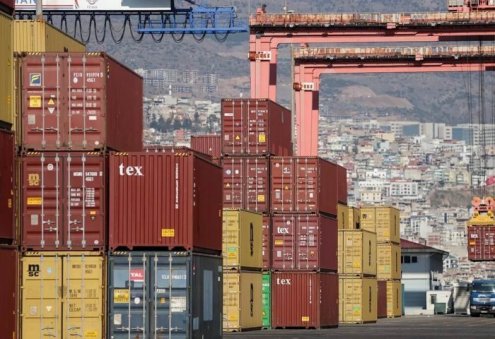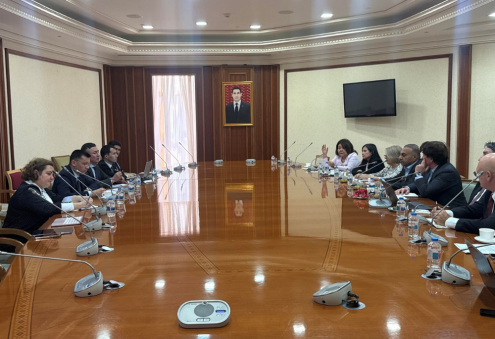
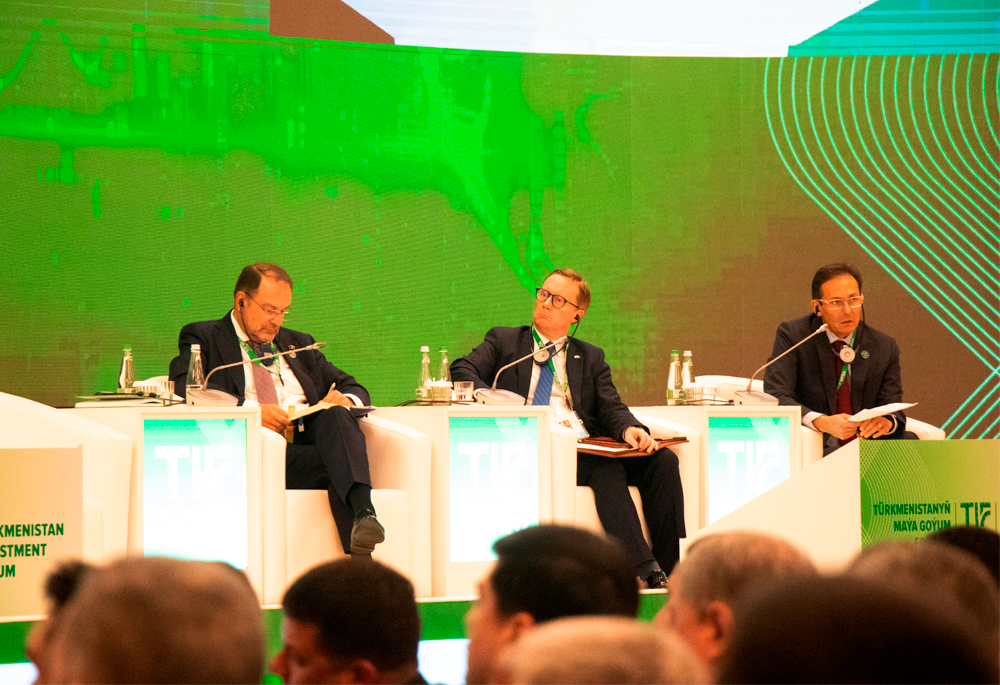
The International Finance Corporation (IFC) sees the most immediate investment opportunities in Turkmenistan in manufacturing, agribusiness, the financial sector, capital market development, infrastructure and natural resources, Simon Andrews, Director of the IFC division covering Pakistan, Afghanistan, Kyrgyzstan, Tajikistan and Turkmenistan, made the statement Oct. 1 while speaking at the Turkmenistan Investment Forum (TIF 2026) in Ashgabat, a correspondent for the Business Turkmenistan online publication attending the event reported.
In agribusiness and manufacturing, IFC sees opportunities to strengthen food security, modernize processing and develop export-oriented businesses. In the financial sector, Andrews highlighted opportunities to expand trade finance, develop capital markets and improve access to financing for small and medium-sized enterprises.
Speaking about IFC's activities, Andrews noted that the organization, which is part of the World Bank Group and works with the private sector, provides long-term loans, equity investments, quasi-equity instruments, trade finance and structured finance. IFC also provides governments and companies with advisory and technical support on investment climate reforms, public-private partnerships, corporate governance, environmental and social standards, and project development.
In addition to its own financing, IFC works through development partners and other World Bank Group institutions to help attract additional investors and use risk-mitigation instruments. Andrews said the goal is to mobilize private capital on a larger scale and use it to develop the economy and create new and better jobs.
Speaking about conditions for attracting investment, Andrews highlighted four factors that, based on IFC's experience in more than 100 countries, are important: regulatory predictability and legal certainty; a level playing field for investors; compliance with international standards, including those related to corporate governance, environmental and social issues; and efficient trade logistics and transport connectivity.
Andrews also highlighted cooperation with Turkmenistan. According to him, a World Bank Group document for fiscal years 2026-27 outlines key areas of cooperation in regional and global integration, economic transformation and improving competitiveness. IFC will also support investment climate reforms, including measures to reduce barriers to investment, and translate the identified priorities into concrete projects suitable for financing.
Andrews said achieving these results requires partnership among the government, the private sector and institutions such as the World Bank Group, which can provide capital, expertise and risk-mitigation instruments. He noted that IFC is ready to provide investment and advisory support, advise on improving the investment climate and developing projects suitable for financing, and facilitate the exchange of experience based on regional and global practices.