The United Nations and the European Union have launched a three-year project aimed at strengthening supply chains for critical raw materials in Central Asia, the U.N. Office on Drugs and Crime said.
The project, titled Secure Critical Raw Materials: Strengthening CRM Supply Chains in Central Asia, is being implemented by the UNODC Regional Office in cooperation with the U.N. Economic Commission for Europe, with financial support from the European Union.
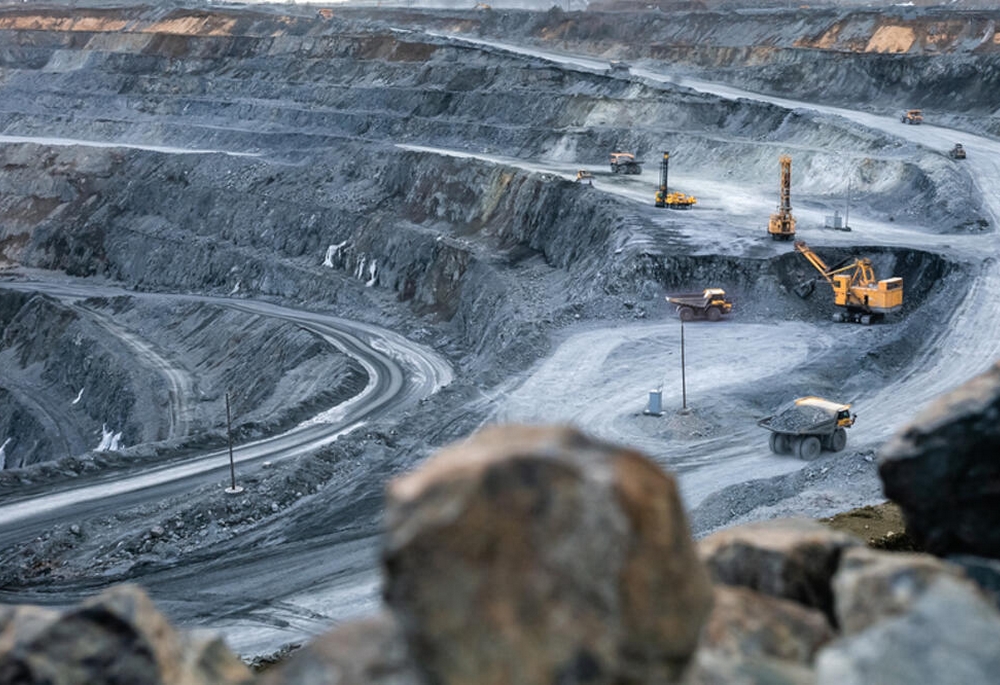
The initiative covers five countries — Kazakhstan, Kyrgyzstan, Tajikistan, Turkmenistan and Uzbekistan — which have significant potential for the extraction of lithium, cobalt, manganese, copper, rare earth elements and other key minerals.
The project aims to promote international standards for sustainable resource management, strengthen the capacity of government institutions and professionals, and enhance regional cooperation and knowledge sharing.
According to the International Energy Agency, global demand for critical raw materials could quadruple by 2040, making the region strategically important for building resilient supply chains, including for the European Union.
The project is expected to contribute to stronger economic resilience in the region and the development of global green supply chains.