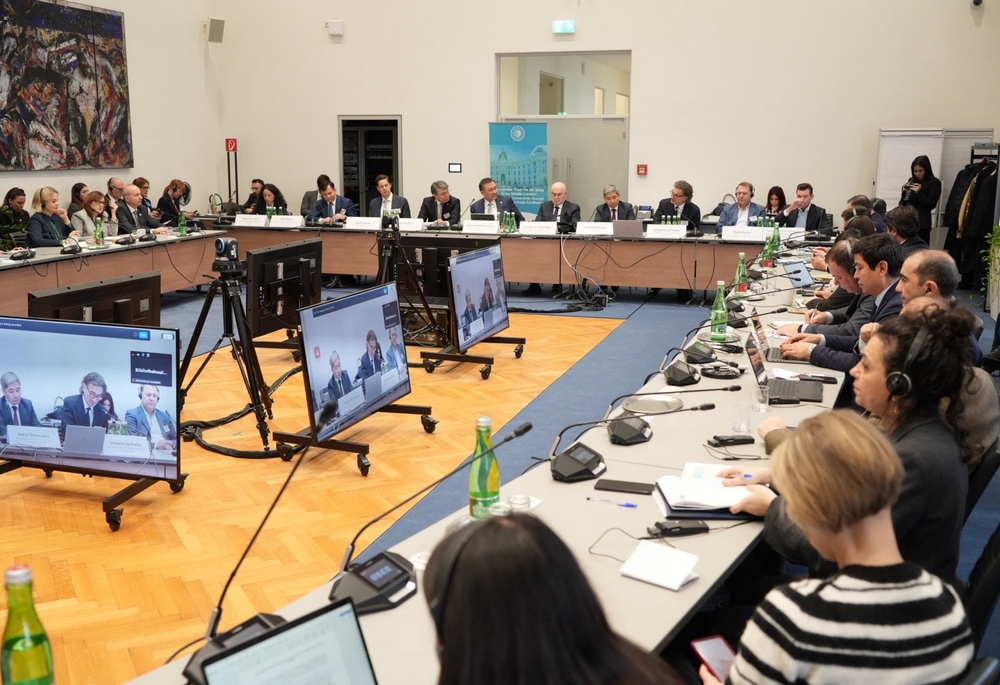
Freight flows are shifting toward new trade routes, but border crossings remain a key constraint for transit development. The International Road Transport Union (IRU) presented proposals to streamline transport along the Middle Corridor at the Turkic Week event in Vienna, IRU said Wednesday.
IRU Secretary General Umberto de Pretto noted that by 2030, volumes along the Middle Corridor could triple. He also emphasized the need for timely infrastructure modernization and improved border-crossing procedures.
Digital solutions were highlighted as a priority. In particular, the eTIR electronic system reduces waiting times at borders, increases transparency in operations and enables closer integration of customs systems.
IRU said the competitiveness of the Middle Corridor depends less on its geographic length than on the speed of border crossings. Full implementation of the TIR (International Road Transport) system could make the route an efficient transit corridor, stimulating trade and economic growth.
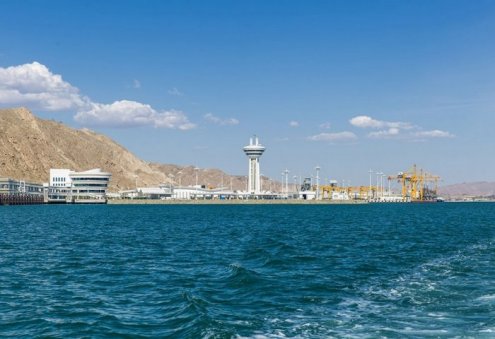
The International Trans-Caspian Transport Route, known as the Middle Corridor, links countries in Europe and Asia via China, Kazakhstan, the Caspian Sea, Azerbaijan and Georgia. The route is used for container shipments combining rail and maritime transport.