
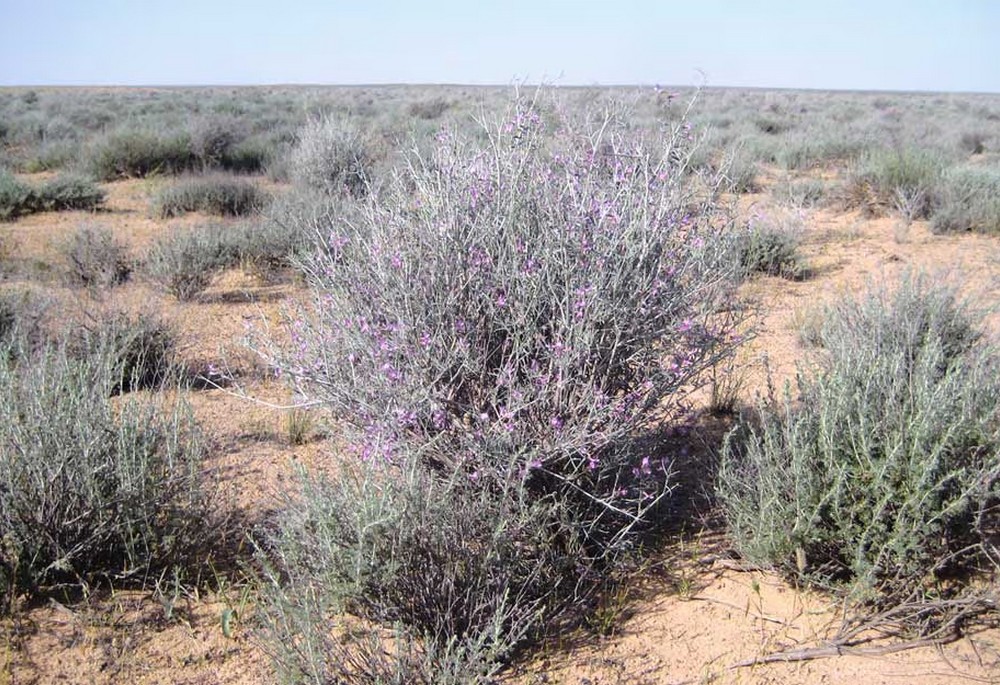
Scientists from the National Institute of Deserts, Flora and Fauna have developed a set of measures aimed at restoring and ensuring the sustainable use of pasturelands in Turkmenistan, state media reported Monday. The initiative is part of state policy to prevent land degradation and desertification.
Researchers say the development of sheep and camel breeding is directly linked to the condition of the forage base. Key areas of work include phytomelioration, artificial seeding of desert plants and the expansion of saxaul forest plantations, including areas around the Turkmen Lake Altyn asyr.
The rational use of water resources, along with the restoration of wells, kyarizes and sardobs, will allow remote pasture areas to be brought back into use. GIS technologies and satellite monitoring are being used to accurately calculate pasture carrying capacity and plan grazing.
According to specialists, the implementation of these measures will help strengthen the forage base, increase livestock numbers and preserve ecological balance amid climate change.







33451-90x604.png)